

SukhoThai Blogs
Unlock insights with our recent articles

 Oct 2026
Dance, Celebrate, Recharge, and Foot Care for the Navratri Season
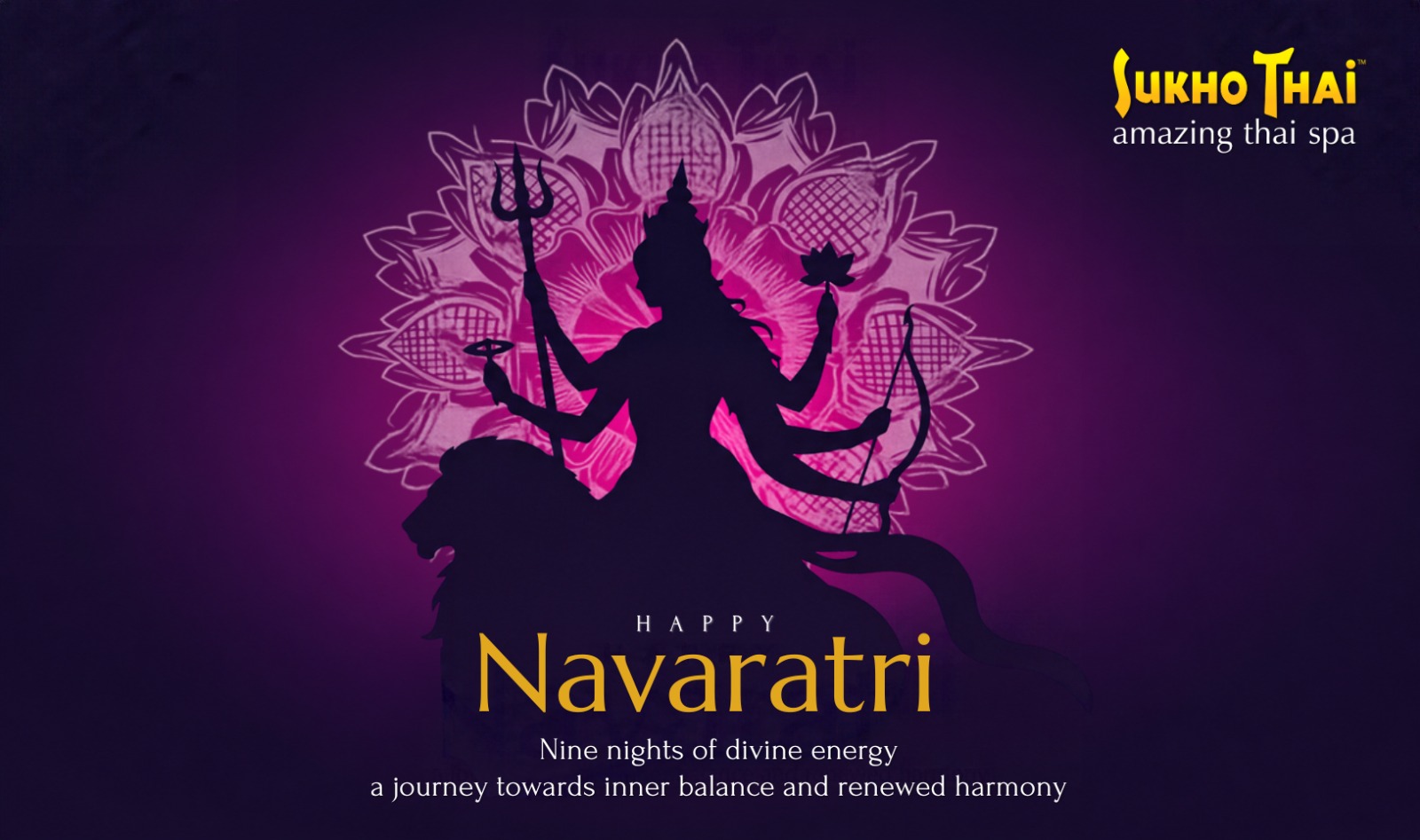
The dandiya sticks start to click. The dhol picks up, a Garba beat rolls across the ground, and chaniya cholis, kediyus, and mirror-work dupattas spin into one moving ring of color. Somewhere nearby, a small shrine glows with the image of Maa Durga, and for nine nights the whole city seems to hum with devotion and joy.
Navratri is about faith first. People fast, pray, and seek Mata Ji's blessings. Then evening comes, and that devotion turns into movement, with families, neighbors, and old friends dancing in circles that grow bigger every year.
All through those nights, your feet are doing the work. They carry you to the venue, hold you through every round, and turn, step, and stamp to the rhythm. By the fourth or fifth night, many people notice it. Their feet feel heavy and tired, and they only want to sit down.
That is where a little foot care helps. This guide is about enjoying every night comfortably and about the small things that let you dance, celebrate, and recharge.
1. Why Your Feet Need Extra Care During Navratri
Most of us don't dance for hours on ordinary days. Navratri asks a lot from our feet, and it asks it night after night. That is why even people who are active during the year can feel it by midweek.
What a typical Navratri evening involves:
a) Long hours of dancing without much sitting down
b) Standing in queues, in circles, or waiting for your turn to join
c) Repeated stepping, clapping, and stamping to a fast beat
d) Constant turning and changing direction
e) Walking to and from the venue, often in crowds
f) Festive footwear that looks wonderful but isn't always built for comfort
g) Several nights in a row, with little time between them
How feet can feel afterwards:
a) Tired and heavy
b) Stiff, especially in the morning
c) A little sore or uncomfortable
d) Generally fatigued, along with the legs
Fatigue like this is a normal response to a lot of activity. This is general wellness information and not medical advice. If something feels sharp, persistent, or unusual, talk to your doctor.
Takeaway: Think of Navratri as a nine-night endurance event for your feet. Give them some care and attention while it lasts.
2. Common Foot Discomfort After Long Garba Nights
Here are the things people most often mention after a long night of Garba:
a) Tired feet after several hours of dancing
b) Temporary foot fatigue that lingers into the next day
c) Heaviness, as if the feet have gained weight
d) Stiffness when you first stand up the next morning
e) Dryness, especially if you dance barefoot on the ground or wear open footwear
f) Footwear discomfort from straps, soles, or embellishments rubbing against skin
g) Pressure from shoes or sandals that are too tight or too hard
h) General tiredness from being active for a long stretch
Your feet give you signals every night. Paying attention to them early makes the later nights more comfortable, and that is much better than pushing through and paying for it on the last day.
3. Simple Foot-Care Tips for Garba and Dandiya Season
None of these tips is complicated. Each one takes a minute or two, and together they make the nine nights easier on your feet.
a) Choose comfortable footwear. Why it helps: Hours of dancing are easier when your shoes support you. Try this: If you wear something festive, choose a pair with a soft sole and a secure fit, and break it in before the first night. If your venue tradition is to dance barefoot, check the ground first for rough or hot patches.
b) Avoid overly tight footwear. Why it helps: Tight straps and narrow toe boxes press on the feet, and that pressure builds as the night goes on. Try this: Keep a finger's width of room at the toe, and avoid anything that leaves marks on your skin.
c) Take short breaks. Why it helps: A few minutes off your feet lets them recover before the next round. Try this: Sit for five minutes between sets, even if the music is tempting you back.
d) Stretch gently. Why it helps: Light movement keeps the feet and ankles loose. Try this: While sitting, rotate your ankles slowly in both directions, point and flex your feet, and spread your toes a few times.
e) Stay hydrated. Why it helps: Dancing, crowds, and warm evenings all add up, and drinking enough water supports how you feel overall. Try this: Carry a bottle with you, and sip regularly instead of waiting until you feel thirsty. If you are fasting, plan your intake around your fast.
f) Keep feet clean and dry. Why it helps: Sweat, dust, and damp footwear can leave feet uncomfortable. Try this: Wipe your feet when you take a break, and wear socks or inner liners that suit your footwear if you can.
g) Change footwear when necessary. Why it helps: The shoes that look best don't always feel best by the end. Try this: Carry a comfortable pair of slip-ons or flat sandals for the walk to and from the venue.
h) Give your feet time to rest between nights. Why it helps: Recovery happens in the gaps, not during the dancing. Try this: On the day itself, avoid long stretches on your feet before the evening starts, and put them up for a while in the afternoon.
i) Listen to your body. Why it helps: Ordinary tiredness fades, but pain that is sharp or lasting needs attention. Try this: If something hurts in a way that feels different from normal fatigue, rest instead of pushing on, and speak to a doctor if it continues.
j) Make recovery part of your routine. Why it helps: Looking after your feet is easier when it is planned, not left until they ache. Try this: Decide before the festival begins how you will wind down each night. A simple routine is below, and a Thai foot massage can be part of it too.
k) Takeaway: Small habits like these cost almost nothing and let you keep dancing through the final night.
4. A Simple Post-Garba Foot-Care Routine
You get home late, the music is still ringing in your ears, and all you want is bed. This routine takes ten to fifteen minutes and is worth doing before you sleep.
a) Clean your feet. Wash them with lukewarm water and dry them well, including between the toes. It clears away the dust and sweat of the evening, and it feels good.
b) Take a few quiet moments. Sit down, put your feet up, and let the evening settle. Even five minutes of stillness helps your body shift out of dance mode.
c) Do gentle foot and ankle movements. Rotate your ankles, flex and point your feet, and stretch your toes. Keep it slow and comfortable. Nothing should hurt.
d) Moisturise dry feet if needed. A little moisturizer on the heels and soles can help if the skin feels dry after dancing. Use something you already know suits your skin.
e) Let your feet rest. Prop them on a cushion or pillow for a while, and don't rush straight into the next task.
f) Get adequate sleep. Tomorrow night's Garba needs a rested body. Try not to cut sleep short, even when the excitement is high.
h) Consider adding professional foot therapy. On a rest day or after a particularly long night, a professional foot massage can be a deliberate, relaxing way to recover. More on that next.
5. Why Foot Massage Can Be a Relaxing Part of Your Navratri Routine
Dancing for hours is physically demanding, and feet carry much of that load. Yet they are usually the last part of us to get any attention. Many of us will stretch our shoulders or rub our backs, while the feet go on to the next day without a pause.
A foot massage can change that. Here is how it can fit into your festive routine:
a) It gives your feet dedicated attention after hours of effort
b) It can become a small ritual, something you look forward to
c) It offers a moment to slow down in the middle of a busy festive week
d) It sits alongside the rest of your self-care, whether that is stretching, rest, or an early night
e) It can be a quiet pause between two celebratory evenings
f) Having someone else do it makes self-care feel intentional
A foot massage is a relaxation experience, not a medical treatment. It doesn't treat injuries or conditions, and it is not a substitute for medical advice. If you have a foot condition, an injury, or a health concern such as diabetes, check with your doctor first.
Takeaway: Relaxation is part of the celebration, and your feet are a good place to begin.
6. Why Thai Foot Massage Fits the Navratri Season
Think about the shape of a Navratri week. There is Garba, then movement, then foot fatigue, then relaxation, then recharge. A Thai foot massage fits naturally into the last two steps.
a) Navratri means repeated movement night after night
b) Your feet stay active throughout the dancing.
c) After the celebration, most people want to slow down.
d) Thai foot massage is a dedicated, foot-focused wellness experience
e) It can become a festive self-care ritual to look forward to
f) It marks a clear "recharge" moment once the excitement fades
On the SukhoThai website, the Thai Traditional Foot Massage is described as a relaxing massage for tired legs and feet. SukhoThai also lists foot therapies with added elements, such as an herbal compress, hot stones, and a foot scrub. You can browse the full range under SukhoThai Therapies.
7. Recharge After the Celebration with SukhoThai
SukhoThai was established in 2010 and focuses on Thai-inspired foot therapy. The name carries its story: "Sukho" comes from the Sanskrit word "sukh," meaning happiness, and "Thai" reflects the brand's roots in Thailand's wellness traditions.
What you can expect, based on what the brand shares publicly:
a) A Thai-inspired approach to foot and body wellness
b) A focus on foot therapy and Thai foot massage
c) Trained therapists
d) A calm space designed for relaxation
e) Multiple locations across several cities, so there is usually somewhere close by
e) A range of therapy durations, so you can pick something that fits a busy festive week
For a festive routine, that means you can book a session on a rest day or after a late night and treat it as the quiet part of your Navratri. You can book your wellness experience here.
8. Celebrate with Energy, Recharge with Intention
Navratri is a time of devotion. We seek Maa Durga's blessings; we dance because we are happy, and we make room for family, friends, and a little extra joy.
It is also easy to forget that the body doing all this dancing needs looking after. When we listen to our feet, rest when we need to, and make a little time for ourselves, we get to enjoy more of the nights. We also get to the last one with energy left.
Navratri is about celebrating with joy, and self-care can be part of the celebration too. Dance with your whole heart. Then give your feet the care they have earned so you are ready for the next night.
Dance. Celebrate. Recharge.
Whenever you are ready to slow down, SukhoThai is here for the quiet part of the festival:
Find SukhoThai Near You
If you're searching for Thai foot massage or a Thai spa near you, SukhoThai has locations across several cities. You can see all of them on the locations page. Here is how they are listed on the live site:
Branches and timings can change, so confirm before you go, or book an appointment, or call 9870 98 9740.
Popular Post
Dance, Celebrate, Recharge, and Foot Care for the Navratri Season
Oct 11, 2026Copyrights © 2010 - 2026 SukhoThai India Pvt. Ltd. - All Rights Reserved